A guide spotted a leopard draped over a sausage tree branch near Talek River last September, easily 400 meters off. Half the vehicle saw a golden blur in the grass. The other half, binoculars up, watched it groom for ten full minutes. That gap is the whole reason to think carefully about the best binoculars for Kenya safari before you fly into Nairobi.
Kenya’s wildlife rarely poses close up. Cheetahs rest in shade far from the track. Elephants graze in tree lines. Even the Masai Mara’s open plains put real distance between your vehicle and the action, since drivers keep off-road driving limited to protect the grass. Good binoculars close that gap. Bad ones, or none at all, mean you spend your safari squinting.
Why Binoculars Matter More Than You Think
Naked-eye viewing works fine for a herd of buffalo grazing beside the road. It falls apart for a lion pride resting under an acacia 300 meters out, or a martial eagle perched high above the Mara River. Binoculars turn a vague shape into a real sighting you’ll remember.
They matter even more for photographers. Scanning first with binoculars saves you from wasting shutter time on empty grass. You spot the movement, confirm what it is, then raise the camera already knowing where to aim. Guides who work the long, open plains of the Masai Mara and Amboseli use exactly this habit, glassing the horizon before ever touching a camera.
What Those Numbers Actually Mean
Every pair of binoculars carries two numbers, like 8×42 or 10×50. The first is magnification. An 8x pair makes an animal look eight times closer than it appears to your eye. The second number is the objective lens diameter in millimeters. A bigger lens gathers more light, which matters at dawn and dusk, exactly when Kenya’s wildlife is most active.
So a 10×42 magnifies more than an 8×42 but pulls in the same amount of light through the same size lens. A 10×50 magnifies just as much but with a bigger lens for brighter, sharper images in low light. The tradeoff is weight and bulk.
8×42 or 10×42: Which Wins on Kenya’s Tracks
This is the question every guest asks us, and most review sites answer it the same generic way. Here’s the honest version, specific to Kenya.
An 8×42 gives you a wider field of view and a steadier image. That matters on the Mara’s rutted tracks, where your vehicle bounces even at walking pace. Higher magnification amplifies every bump, so a 10×42 can feel shaky exactly when you need a clear look at a moving cheetah.
A 10×42 earns its keep on flatter, more open ground. Samburu’s riverine plains and the wide floor of Amboseli, with Mount Kilimanjaro often visible in the distance, give you steadier footing to use that extra reach. If your trip leans heavily toward these drier northern and southern circuits, the extra 25 percent magnification helps you pick out cheetahs on distant termite mounds.
For a mixed Kenya itinerary covering the Mara, Amboseli, and maybe Lake Naivasha, we point most guests toward 8×42. It is the more forgiving choice on rough roads and works well for both wildlife viewing and the kind of scanning that supports good golden hour game drive photography.
Field of View and Keeping the Image Steady
Field of view tells you how wide a scene you see at a set distance, usually listed in meters at 1,000 meters. Wider fields make it far easier to find a moving animal, then follow it, without losing your bearings.
Image stability matters just as much. Bracing your elbows on the vehicle’s window frame, or resting the binoculars against the roof hatch edge, cuts down shake dramatically. Some mid-range and premium models now include image stabilization, which helps a lot on longer game drives but adds weight and cost.
Durability, Waterproofing, and Dust
Kenya’s climate swings hard. The Mara turns to thick red mud in the November short rains, and Samburu’s dust gets into everything during the dry months of July through October. Binoculars marked waterproof and fog-proof, usually nitrogen or argon purged, handle both extremes without fogging up on a chilly dawn drive out of camp at 6am.
This is not a luxury feature. A dust-sealed pair will still work perfectly after a week on Amboseli’s dirt roads. An unsealed budget pair often won’t focus properly by day four.
Best Binoculars for Kenya Safari by Budget: A Real Price Comparison
Review sites tend to name models without saying what they actually cost or where they suit Kenya’s different landscapes. Here is a straightforward breakdown, with indicative price ranges based on typical retail pricing at the time of writing.
| Tier | Example models | Price range (USD) | Weight | Best suited for |
|---|---|---|---|---|
| Budget | Celestron Nature DX 8×42, Vortex Raptor 8×42 | $60 to $130 | 550 to 650g | Short trips, first safaris, day drives around Nairobi National Park |
| Mid-range | Nikon Monarch M5 8×42, Vortex Diamondback HD 10×42 | $250 to $450 | 600 to 700g | Multi-day circuits through the Masai Mara and Amboseli |
| Premium | Zeiss Terra ED 8×42, Leica Trinovid 8×42 | $500 to $1,300 | 650 to 750g | Photographers on longer stays in Samburu or the Mara Triangle |
| Top-tier | Swarovski EL 8×42, Leica Noctivid 10×42 | $1,800 to $2,900 | 700 to 850g | Professional guides and repeat safari travelers |
For most guests, mid-range is the sweet spot. It handles dust, light rain, and a week of daily use without the premium price tag.
What Kenyan Guides Actually Carry
Ask a guide in the Mara Triangle what they use, and you will hear Swarovski or Zeiss far more often than any budget brand. Most guides who have worked the circuit for over a decade have settled on 8×32 or 8×42 models. They value reliability over years of daily heat, dust, and rough handling, not the biggest number on the box.
That preference tells you something useful. Guides pick durability and a steady wide view over raw magnification, because they are scanning for hours, every single day, in a vehicle that never stops moving.
Do You Need Your Own Pair, or Can You Share
Here’s the part nobody else says plainly. Most Valley Safaris vehicles carry at least one or two pairs of binoculars on board, and many camps keep a small stock for guests who arrive without their own. But sharing a single pair across a full 6 to 7 seat game drive vehicle rarely works well in practice.
The trouble is timing. A leopard sighting lasts seconds, not minutes. By the time binoculars pass from the front row to the back, the animal has moved into thick bush. If you are traveling as a couple or small family, one shared pair is workable. For a full vehicle of unrelated guests, it isn’t.
Renting binoculars locally in Nairobi is possible but limited, with a small number of outfitters and camera shops offering rentals, and stock varies. We generally recommend guests bring their own, especially if photography or serious wildlife viewing tops the list. It’s one of the few pieces of gear worth the suitcase space, right alongside the topic covered in our camera gear guide.
Packing and Carrying Tips
A few practical habits make a real difference:
- Keep binoculars around your neck on a wide strap, not in your daypack, so they’re ready the instant something moves.
- A rubber-armored body survives drops onto a vehicle floor far better than a smooth plastic one.
- Pack a simple lens cloth. Dust on the Mara’s dry season roads settles on everything within minutes.
- Avoid binoculars heavier than 800 grams if you plan to hold them for long stretches. Your arms will thank you by day three.
The Valley Safaris Difference
We’ve watched enough game drives to know gear either helps you connect with Kenya’s wildlife or gets in the way. Our vehicles carry spare binoculars as backup, but we tell every guest booking a photography-focused itinerary to bring their own 8×42 pair if they can.
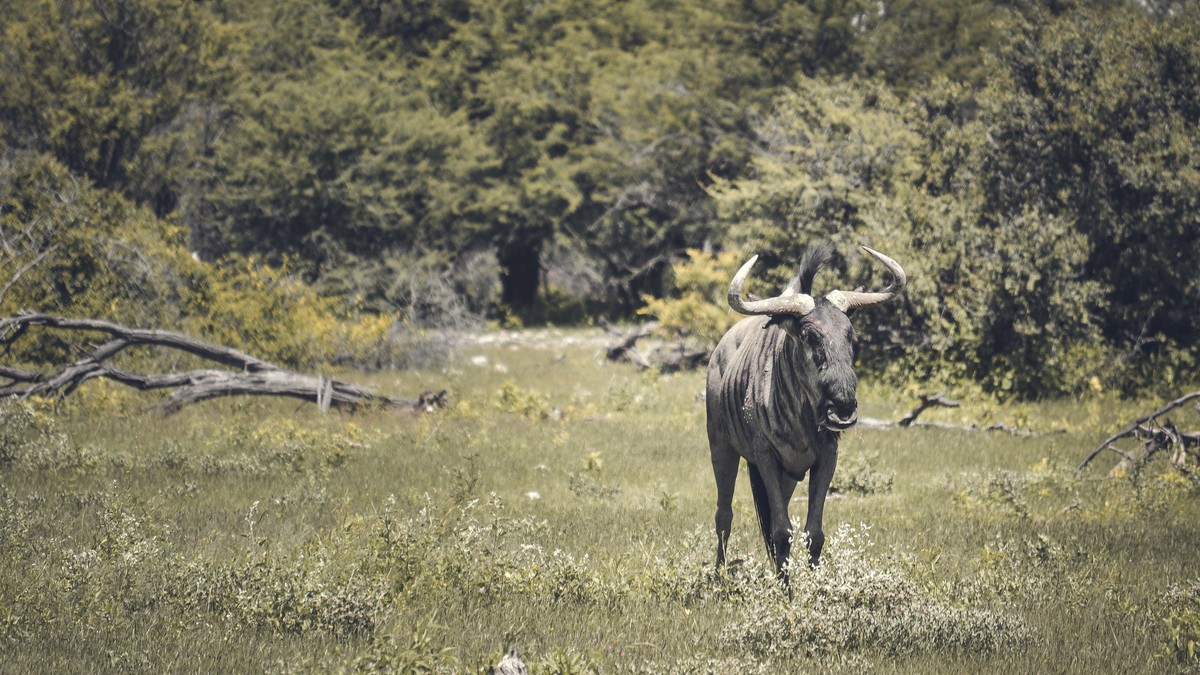
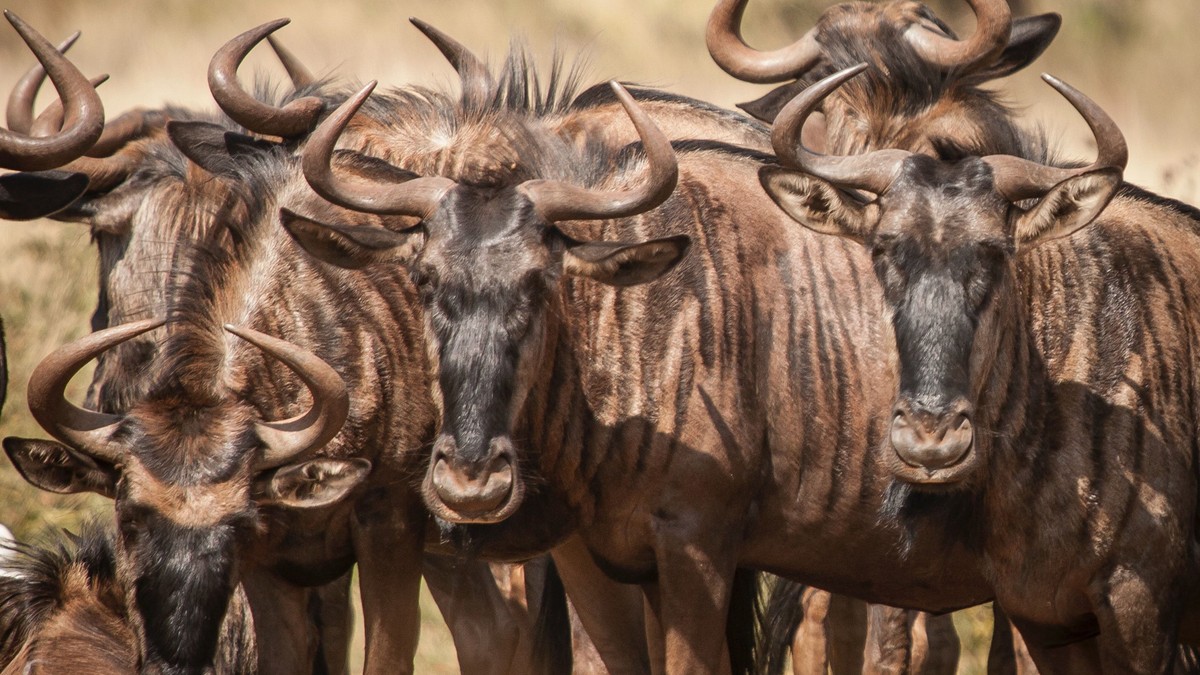
Our guides also brief each group on where binoculars matter most on their specific route, whether that’s scanning Samburu’s riverbanks for leopard or picking out distant wildebeest herds crossing the Mara. It’s a small detail, but it’s the kind of planning that turns a good safari into one you talk about for years.
Plan Your Trip With the Right Gear in Hand
Choosing binoculars is a small decision that shapes how much you actually see out there. If you want help matching your gear list to your route, from the Mara’s bumpy tracks to Amboseli’s open plains, we’re happy to talk it through. Visit our contact page to start planning your Kenya safari with Valley Safaris.